 CLICK TO CALL
Dental Blog
Dental Implants Failure: Warning Signs and Prevention
December 6, 2025 / DENTISTRY
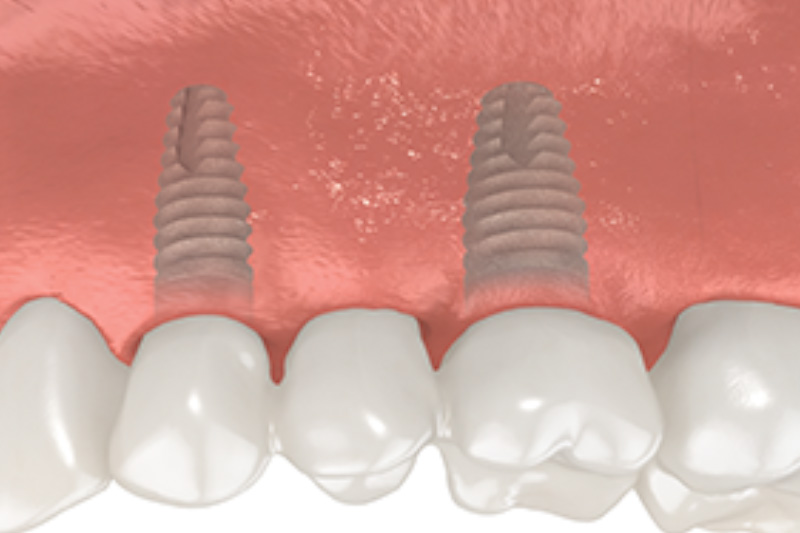
Dental implants have a success rate exceeding 95%, but failures can occur.
Recognizing early warning signs and understanding prevention strategies helps protect your investment. At Vellore Corners Dentistry in Woodbridge, patients learn how to identify potential dental implants complications and take proactive steps to ensure long-term success.
Understanding what causes dental implants failure and how to prevent it empowers patients to maintain their restorations for life.
Early Warning Signs of Dental Implants Failure
Recognizing problems early allows for prompt intervention and better outcomes. Watch for these key indicators:
Immediate Red Flags:
- Persistent pain beyond the normal healing period
- Increasing swelling after the first few days
- Implant mobility or looseness when touched
- Pus or discharge around the implant site
- Fever or signs of systemic infection
Later Warning Signs:
- Gum recession exposing the implant threads
- Bleeding when brushing around the implant
- Bad taste or odour near the implant
- Difficulty chewing on the implant side
- Changes in how the implant feels when biting
Pain That Doesn't Resolve
Some discomfort is normal after dental implants surgery for the first week. However, pain that persists beyond two weeks or worsens over time signals a problem. Sharp, throbbing pain particularly indicates potential infection or improper healing.
Swelling and Inflammation
Initial swelling peaks around day three after dental implants placement. Swelling should gradually decrease after this point. Increasing swelling or swelling that returns after subsiding suggests infection or implant rejection.
Implant Mobility
Dental implants should feel completely stable once osseointegration occurs. Any movement or wiggling indicates failure of the implant to fuse with bone. This requires immediate evaluation at Vellore Corners Dentistry.
Risk Factors for Dental Implants Failure
Understanding what increases failure risk helps patients take preventive action:
Major Risk Factors:
- Smoking or tobacco use
- Uncontrolled diabetes
- Poor oral hygiene habits
- Insufficient bone density or quality
- Gum disease (periodontitis)
- Certain medications (bisphosphonates, immunosuppressants)
- Radiation therapy to head or neck
- Teeth grinding or clenching (bruxism)
Smoking and Tobacco Use
Smoking is the single most significant controllable risk factor for dental implants failure. Tobacco use impairs blood flow, slows healing, and increases infection risk. Smokers have failure rates 2-3 times higher than non-smokers.
Diabetes and Healing
Uncontrolled diabetes significantly affects dental implants success. High blood sugar impairs healing and increases infection susceptibility. Patients with well-controlled diabetes have success rates similar to non-diabetic patients.
Bone Quality Issues
Adequate bone density is crucial for dental implants success. Poor bone quality or quantity reduces the implant's ability to integrate properly. Bone grafting can address this issue before implant placement.
Gum Disease
Active periodontal disease dramatically increases dental implants failure risk. Bacteria that cause gum disease can also cause peri-implantitis. This condition leads to bone loss around implants and eventual failure.
Types of Dental Implants Failure
Understanding failure types helps with prevention and early detection:
Early Failure (First 3-4 Months):
- Occurs before osseointegration completes
- Often caused by infection or poor healing
- May result from inadequate bone quality
- Can be due to excessive loading too soon
Late Failure (After Osseointegration):
- Develops months or years after placement
- Usually caused by peri-implantitis
- May result from excessive bite forces
- Can be due to poor oral hygiene
Peri-Implantitis
This inflammatory condition affects tissues around dental implants. It's similar to gum disease but affects implant-supporting structures. Peri-implantitis is the leading cause of late dental implants failure. Signs include bleeding, swelling, and bone loss around the implant. Without treatment, it progresses to implant loss.
Prevention Strategies for Dental Implants Success
Taking proactive steps significantly reduces failure risk:
Essential Prevention Measures:
- Quit smoking at least two weeks before surgery
- Control diabetes and maintain stable blood sugar
- Practice excellent oral hygiene daily
- Attend all scheduled follow-up appointments
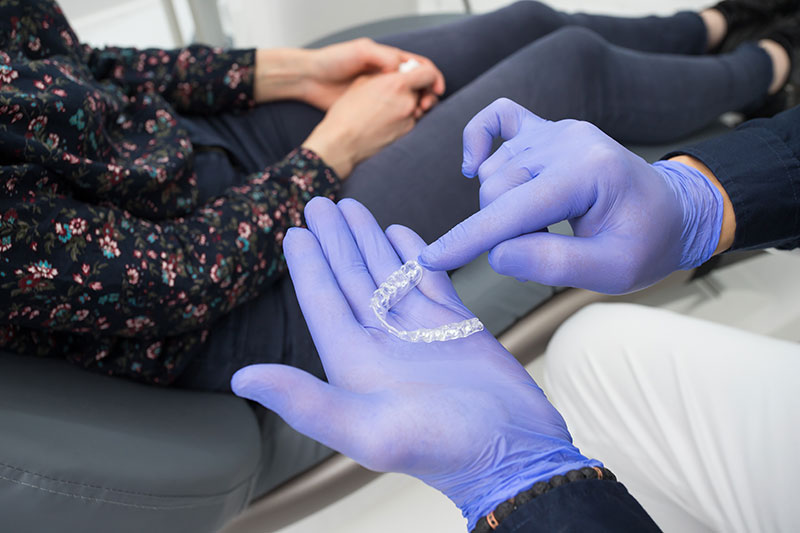
- Wear nightguards if you grind teeth
- Avoid chewing hard foods on healing implants
- Take prescribed antibiotics as directed
Optimal Oral Hygiene for Dental Implants
Proper cleaning prevents peri-implantitis and ensures long-term success:
- Brush twice daily with soft-bristled toothbrush
- Use low-abrasive toothpaste to avoid scratching
- Floss daily with implant-specific floss or water flosser
- Use antimicrobial mouthwash as recommended
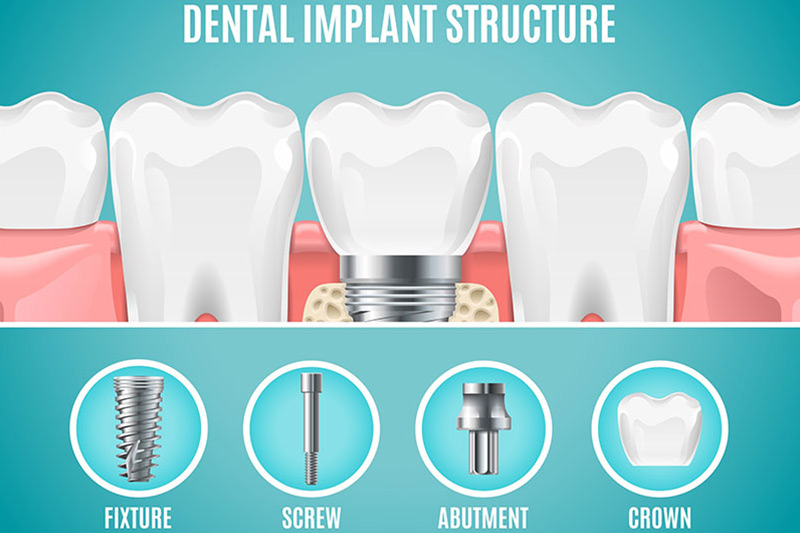
- Clean around abutments thoroughly
Regular Professional Maintenance
Professional cleanings every 3-6 months are essential for dental implants longevity. At Vellore Corners Dentistry in Woodbridge, specialized instruments clean implants without damaging surfaces. Regular X-rays monitor bone levels around dental implants. Early detection of bone loss allows intervention before failure occurs.
Lifestyle Modifications
Certain changes significantly improve dental implants success rates:
- Quit Smoking: This single change dramatically improves outcomes. Even reducing smoking helps, but complete cessation is ideal.
- Manage Systemic Health: Control diabetes, maintain healthy weight, and manage stress levels.
- Protect Against Grinding: Wear custom nightguards to protect dental implants from excessive forces.
When to Contact Your Dental Provider
Knowing when to seek help prevents minor issues from becoming major problems:
Contact Immediately If:
- Severe pain develops suddenly
- Implant feels loose or moves
- Heavy bleeding occurs
- Fever develops with implant site swelling
- Pus drains from around the implant
Schedule Appointment Soon If:
- Mild pain persists beyond two weeks
- Gums bleed when cleaning around implant
- Bad taste or odour develops
- Restoration feels loose or uncomfortable
- Any concerns about healing progress
Salvaging Failing Dental Implants
Early intervention can sometimes save dental implants showing failure signs. Treatment options depend on the cause and severity:
- Antibiotic therapy for infections
- Deep cleaning for peri-implantitis
- Bone grafting for bone loss
- Bite adjustment for excessive forces
- Implant removal and replacement if necessary
At Vellore Corners Dentistry, comprehensive evaluation determines the best approach for each situation.
Protecting Your Dental Implants Investment
Dental implants represent a significant investment in oral health and quality of life. Understanding failure warning signs and prevention strategies protects this investment. Most dental implants failures are preventable through proper care and regular monitoring. Patients who follow recommended guidelines enjoy successful implants for decades.
Concerned about your dental implants or considering this treatment? Contact Vellore Corners Dentistry at 905-417-8111 to schedule an evaluation. The practice is open Monday through Thursday from 8:00 AM to 8:00 PM. Friday and Saturday hours are 8:00 AM to 3:00 PM. The experienced team provides comprehensive dental implants care from initial placement through lifelong maintenance.
Archive